
Preimplantation Genetic Testing (PGT)
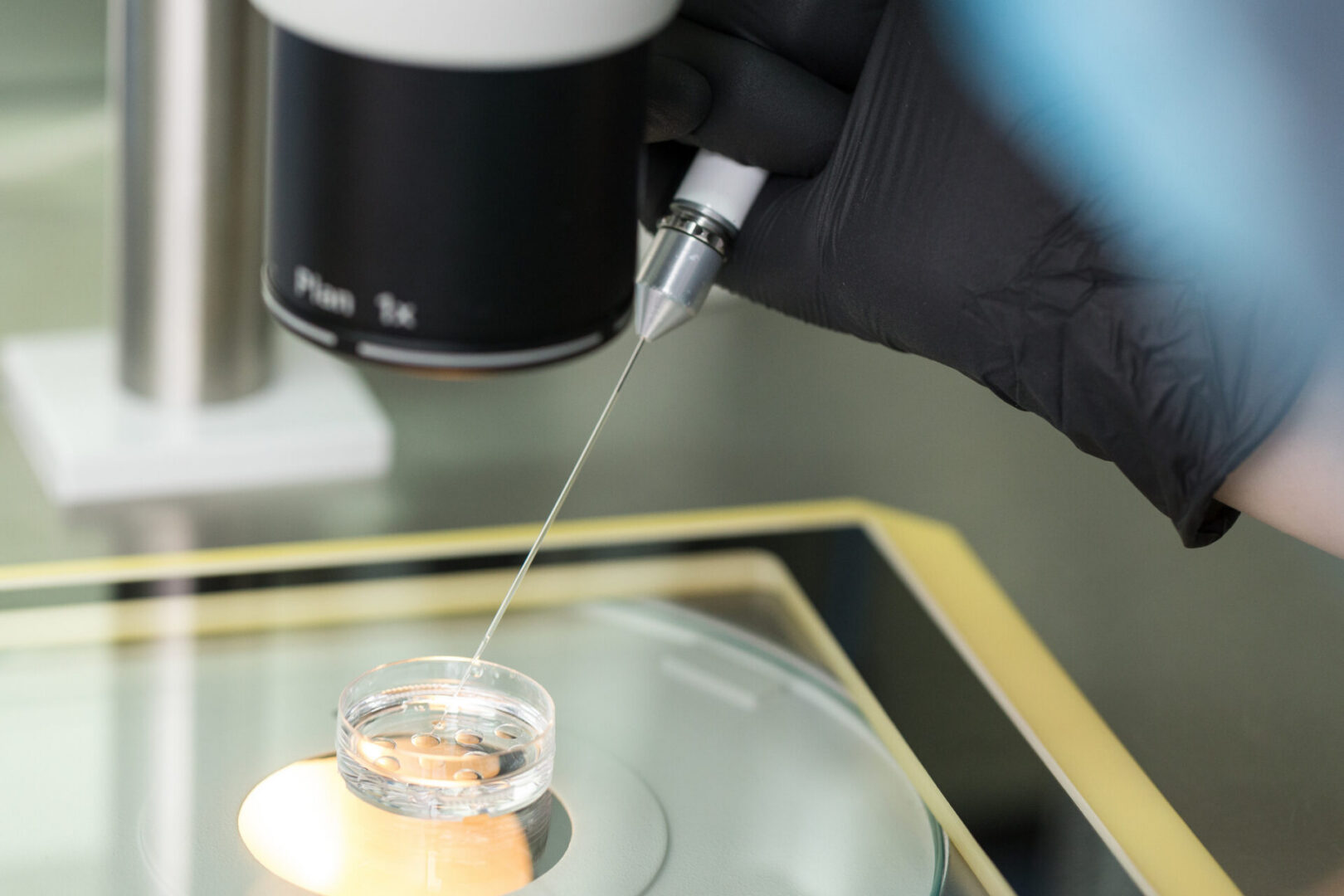

Preimplantation Genetic Testing (PGT) in Phoenix, Arizona
Southwest Fertility Center in Phoenix, Arizona offers Preimplantation Genetic Testing (PGT) to screen embryos for chromosomal abnormalities before transfer, improving IVF success rates and reducing miscarriage risk.
What is Preimplantation Genetic Testing (PGT)?
Preimplantation Genetic Testing, or PGT, is a laboratory procedure performed on embryos during an IVF cycle to screen for chromosomal abnormalities or specific genetic conditions before the embryo is transferred to the uterus. PGT allows our team to select the embryos most likely to result in a healthy, successful pregnancy, and reduces the risk of miscarriage and certain genetic disorders.
PGT is performed at the blastocyst stage, typically on day 5 or 6 of embryo development, when a small number of cells are biopsied and sent to a specialized genetics laboratory for analysis.

Types of Preimplantation Genetic Testing
PGT-A (Preimplantation Genetic Testing for Aneuploidies)
PGT-A screens embryos for chromosomal abnormalities, such as having too many or too few chromosomes (aneuploidy). Chromosomally abnormal embryos are a leading cause of IVF failure and miscarriage. By identifying euploid (chromosomally normal) embryos for transfer, PGT-A improves the chance of a successful pregnancy and reduces the risk of pregnancy loss.
PGT-M (Preimplantation Genetic Testing for Monogenic Disorders)
PGT-M tests embryos for specific single-gene disorders that one or both parents are known to carry, such as cystic fibrosis, sickle cell disease, or Huntington's disease. This allows couples with a known genetic condition to reduce the risk of passing it on to their child.
PGT-SR (Preimplantation Genetic Testing for Structural Rearrangements)
PGT-SR is recommended for individuals who carry a chromosomal structural rearrangement, such as a translocation, which can increase the risk of miscarriage or chromosomally abnormal pregnancies.
Who is a Candidate for PGT?
PGT may be recommended for patients who:
- Are of advanced maternal age (35 or older), as the rate of chromosomally abnormal embryos increases with age
- Have experienced recurrent pregnancy loss or repeated IVF failure
- Have a known chromosomal abnormality or are carriers of a genetic condition
- Have had a previous pregnancy affected by a chromosomal condition such as Down syndrome
- Wish to reduce the risk of miscarriage and improve the chances of a successful single embryo transfer


What to Expect from PGT at Southwest Fertility Center
PGT is performed as part of an IVF cycle. After eggs are retrieved and fertilized, embryos are cultured in our laboratory for 5 to 6 days. At the blastocyst stage, a small biopsy of cells is taken from each embryo and sent to a partner genetics laboratory for analysis. Results are typically available within 7 to 14 days. Embryos identified as euploid are then transferred in a subsequent frozen embryo transfer cycle. Any remaining euploid embryos are frozen and stored for future use. Embryos that are chromosomally abnormal or of unknown status are not transferred.
How Effective is PGT?
PGT-A has been shown to significantly improve implantation rates and reduce miscarriage rates, particularly in patients of advanced maternal age and those with a history of recurrent pregnancy loss. By transferring a single euploid embryo, patients can achieve high pregnancy rates while minimizing the risks associated with multiple gestation.
How Much Does PGT Cost in Phoenix, Arizona?
The cost of PGT includes the embryo biopsy procedure performed at Southwest Fertility Center as well as fees from the genetics laboratory. Our team will provide a full cost breakdown during your consultation, and our financial counseling team is available to discuss payment options and insurance coverage.
To learn more or to schedule a consultation with our fertility team in Phoenix, Arizona, contact Southwest Fertility Center today at (602) 956-7481 or request an appointment online.