
In Vitro Fertilization (IVF) Care

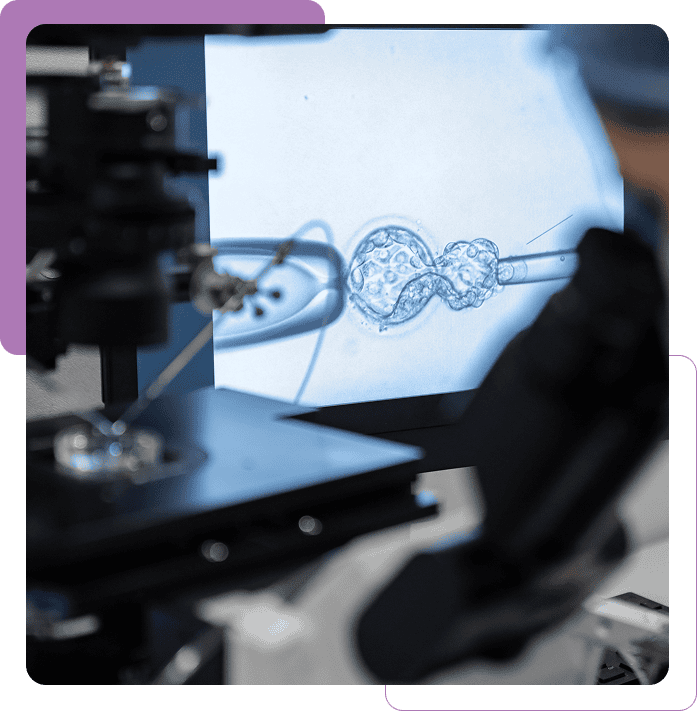
In Vitro Fertilization (IVF) in Phoenix, Arizona
Southwest Fertility Center offers expert IVF treatment in Phoenix, Arizona. Learn about the IVF process, who is a candidate, what to expect, and how our team can help you build your family.
What is In Vitro Fertilization (IVF)?
In Vitro Fertilization, commonly referred to as IVF, is one of the most effective assisted reproductive technologies available today. During IVF, mature eggs are retrieved from the ovaries and fertilized with sperm in a laboratory setting. The resulting embryo or embryos are then transferred to the uterus with the goal of achieving a successful pregnancy. Embryos that are not transferred may be frozen and stored for future use, giving patients the option of additional transfer cycles without repeating the full stimulation and retrieval process. IVF is recommended when other fertility treatments have not been successful, or when a patient's diagnosis makes IVF the most appropriate first-line treatment.
At Southwest Fertility Center, Arizona's longest-standing fertility practice, our team has been helping patients achieve pregnancy through IVF since the late 1980s. We combine decades of clinical experience with individualized, compassionate care.
Who Needs IVF?
IVF may be recommended for patients experiencing one or more of the following:
Blocked or Damaged Fallopian Tubes
The fallopian tubes are responsible for transporting eggs from the ovaries to the uterus. When one or both tubes are blocked or damaged, natural conception and IUI are not possible. IVF bypasses the fallopian tubes entirely, making it the treatment of choice for this diagnosis.
Diminished Ovarian Reserve
Diminished ovarian reserve refers to a reduction in the quantity or quality of a woman's eggs, often due to age, genetics, or prior medical treatment. IVF with individualized ovarian stimulation allows our team to retrieve and fertilize as many eggs as possible to maximize the chances of success.
Endometriosis
Moderate to severe endometriosis can significantly impact fertility by affecting the ovaries, fallopian tubes, and surrounding structures. IVF is often recommended when other treatments have not resulted in conception.
Male Factor Infertility
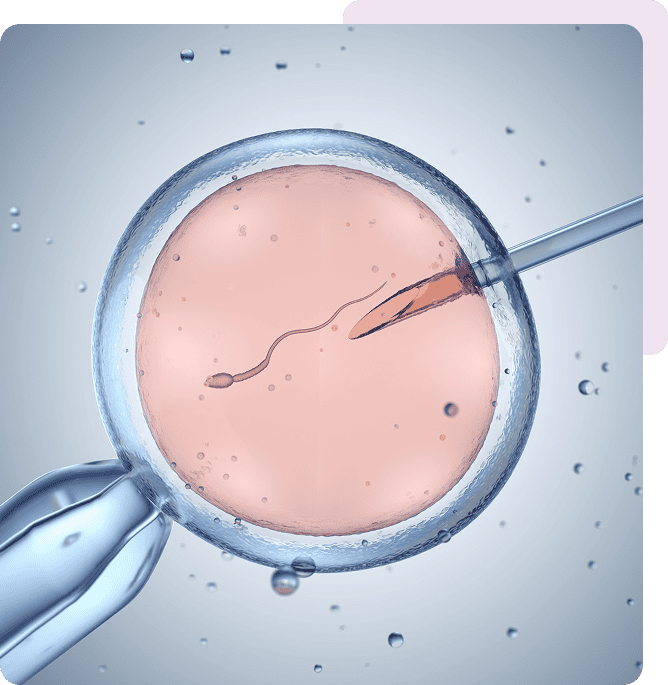
When semen analysis reveals low sperm count, poor motility, or abnormal morphology, IVF — particularly in combination with ICSI (Intracytoplasmic Sperm Injection) — is highly effective.
Unexplained Infertility
When no identifiable cause for infertility has been found and less invasive treatments have not been successful, IVF offers the highest per-cycle pregnancy rates of any fertility treatment available.
Recurrent Pregnancy Loss
For patients who have experienced multiple pregnancy losses, IVF combined with Preimplantation Genetic Testing (PGT) can identify chromosomally normal embryos prior to transfer, reducing the risk of miscarriage.
What to Expect from IVF at Southwest Fertility Center
Every IVF protocol at Southwest Fertility Center is tailored to the individual patient based on their diagnosis, age, ovarian reserve, and medical history. A typical IVF cycle includes the following steps:
Ovarian Stimulation
Injectable medications are administered over approximately 8 to 14 days to stimulate the ovaries to produce multiple follicles. Our team performs regular monitoring through vaginal ultrasounds and bloodwork to assess follicle development and adjust medications as needed.
Egg Retrieval
Once follicles have reached the appropriate size, a trigger injection is administered to finalize egg maturation. Egg retrieval is a minimally invasive procedure performed under sedation in our office. A thin needle is guided through the vaginal wall using ultrasound to retrieve the eggs from each follicle.
Fertilization and Embryo Development
Retrieved eggs are assessed for maturity and fertilized with sperm in our laboratory. Fertilization can be achieved through conventional insemination or through ICSI, depending on the clinical recommendation. Embryos are cultured in the laboratory for 5 to 6 days to the blastocyst stage before transfer or freezing.
Embryo Transfer
A selected embryo is transferred into the uterus using a thin, flexible catheter. The procedure is performed in our office and does not require sedation. Pregnancy testing is performed approximately 10 days following the transfer.
Risks of IVF
IVF is a well-established and extensively studied fertility treatment. As with any medical procedure, there are potential risks, including:
- Ovarian Hyperstimulation Syndrome (OHSS): Occurs when the ovaries respond too strongly to stimulation medications. Mild OHSS is relatively common and resolves on its own. Severe OHSS is rare. Our team monitors all patients closely to minimize this risk.
- Multiple Gestation: The transfer of more than one embryo increases the risk of a multiple pregnancy. At Southwest Fertility Center, we follow evidence-based guidelines and in most cases recommend single embryo transfer to optimize the health of both mother and child.
- Procedural Risks: Egg retrieval carries a small risk of bleeding or infection. These complications are uncommon.

How Effective is IVF?
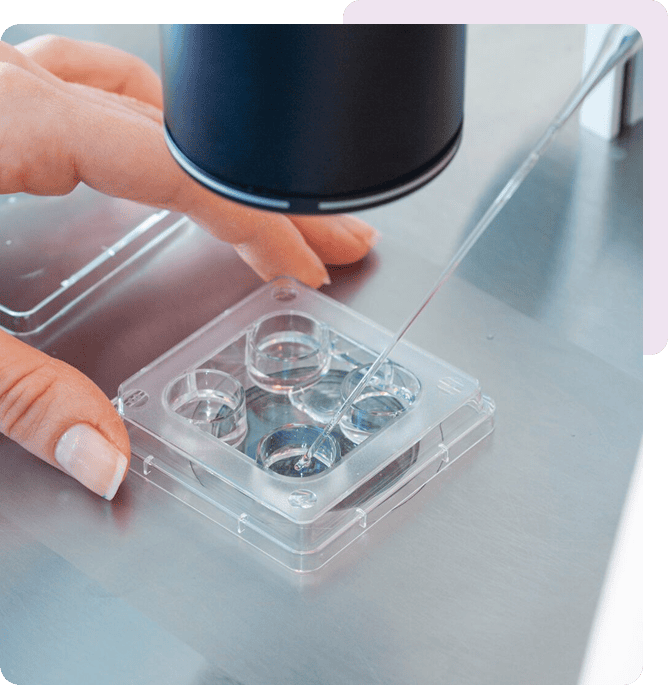
IVF success rates vary based on a patient's age, diagnosis, ovarian reserve, and embryo quality. In general, IVF offers the highest per-cycle pregnancy rates of any fertility treatment available. The use of Preimplantation Genetic Testing (PGT) to select chromosomally normal embryos has further improved success rates and reduced miscarriage rates in appropriate candidates. Our team will review your individual prognosis during your consultation.
How Much Does IVF Cost in Phoenix, Arizona?
IVF is a significant financial investment, and we are committed to making fertility treatment as accessible as possible. Southwest Fertility Center offers competitive pricing, financing options, and works with most insurance providers. Contact our office to speak with our financial counseling team about your options.
To learn more or to schedule a consultation with our fertility team in Phoenix, Arizona, contact Southwest Fertility Center today at (602) 956-7481 or request an appointment online.